
Among the most talked-about approaches are traditional soil farming, aquaponics, and aeroponics.
While each method has its merits, one technology consistently pushes the boundaries of efficiency, sustainability, and productivity: aeroponics.
In this article, we’ll break down the differences and explain why aeroponics is emerging as a leading solution for modern agriculture.
Soil-Based Farming
 Natural ecosystem Low upfront technology cost
 High water usage Susceptible to pests, diseases, and soil degradation Limited by climate and land availability
Traditional agriculture consumes a significant portion of global freshwater and can lead to soil depletion over time.
Aquaponics
Aquaponics combines fish farming (aquaculture) with plant cultivation. Fish waste provides nutrients, and plants naturally filter the water.
Highly sustainable ecosystem Uses ~90% less water than soil farming Dual production (plants + fish) Complex to manage (plants + fish health) Slower nutrient optimization compared to direct systemsWhile aquaponics is elegant in its sustainabiility, it relies on biological balance, which can limit precision and scalability
Aeroponics
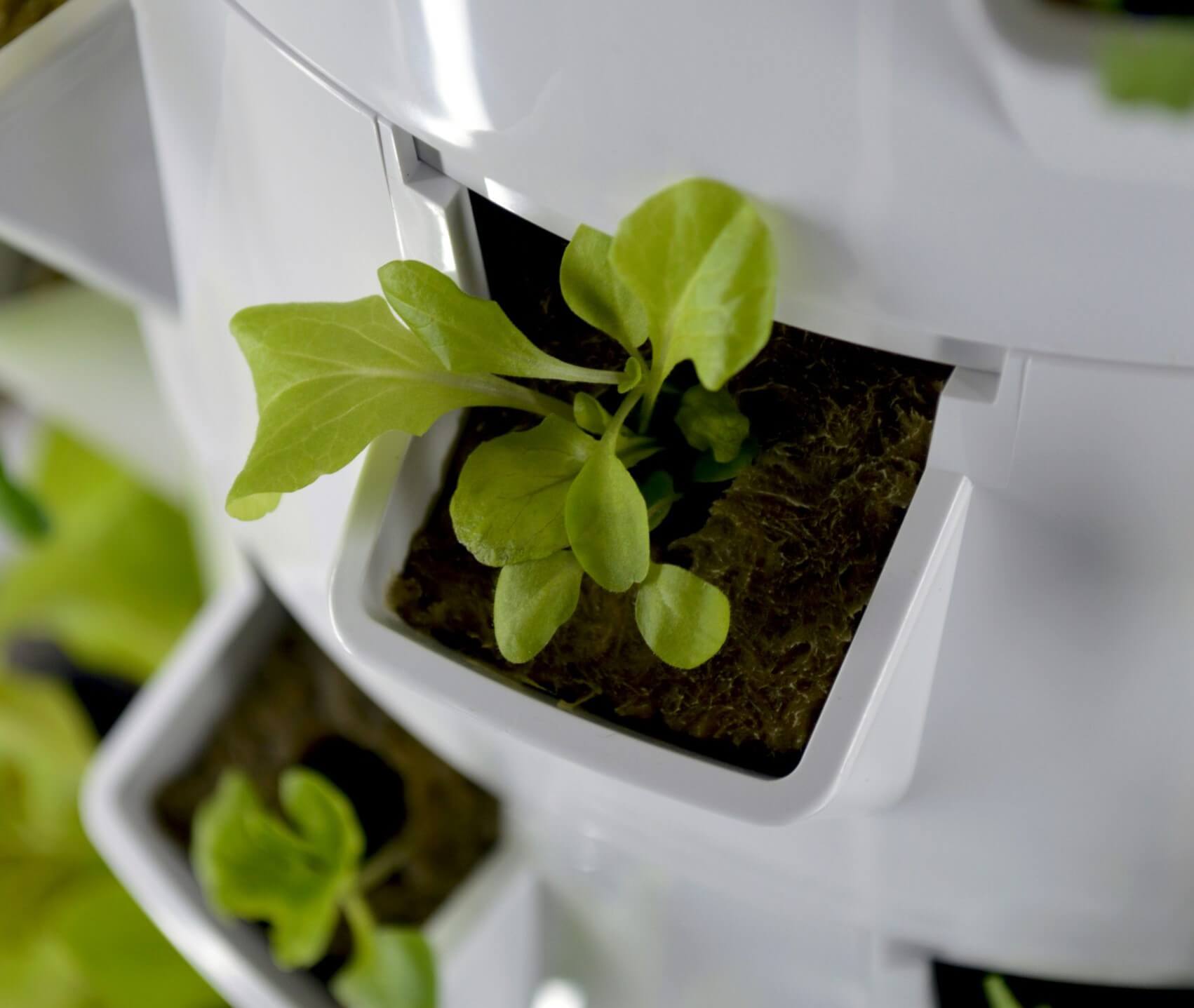
Aeroponics takes things further: plants are grown without soil or standing water, with roots suspended in air and misted with nutrients.
Maximum oxygen exposure Precise nutrient delivery Ultra-efficient water usage Faster growth rates Requires technical setup and monitoringAeroponics represents a shift from "working with nature" to engineering optimal growth environments.